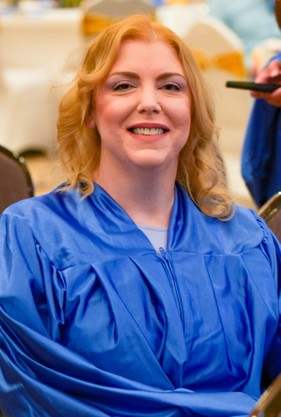
When Chandra came back to Connections House in early 2025, she was struggling just to get through the day. Being around people, staying focused, and adjusting to change were difficult for her. She wasn’t sure what came next and assumed she might eventually end up back in retail, even though she knew that wasn’t where she wanted to be.
As she became more involved at Connections House, Chandra started to notice a change in herself. “I noticed myself really improving,” she said. “So much so that I felt like I could actually get a job.”
By fall 2025, that confidence turned into action. Chandra started her first job in 15 years, working part-time in a peer support role through our Transitional Employment program. Here’s how Connections House helped her get there.
What “Clubhouse” means
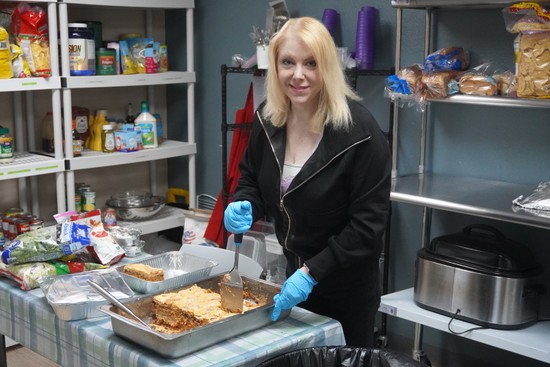
One of the things I love about the Clubhouse model is that everyone has a role and everyone has something to contribute. When you walk into Connections House, you’ll see members and staff working side by side. Greeting people at reception, entering data, preparing lunch, or working on other tasks that keep the Clubhouse running. I’ve always felt that if you walk in and can’t immediately tell who is a member and who is staff, then we’re doing something right.
The people who come to Connections House are members, not patients. We focus on what people can do and the strengths they bring with them, rather than defining anyone by a diagnosis or symptoms. Our staff aren’t clinicians either. Many of us, myself included, came into this work through peer support and understand the importance of creating a place where people feel needed, valued, and part of something.
That approach has been at the heart of Connections House for many years. Formerly known as Putnam Clubhouse, we became the first Clubhouse in Northern California accredited by Clubhouse International. In February 2026, we renewed that accreditation, once again confirming our commitment to the standards and values that make the Clubhouse model what it is.
The Work-Ordered Day
At Connections House, our days have a rhythm to them. We start the morning together, talk through what needs to get done, and then members choose where they want to be involved. Some may help at reception or with office and multimedia work, while others may spend time in the kitchen, dining room, garden, or wherever help is needed that day. Staff work alongside members, showing them the steps, answering questions, and giving them the chance to keep practicing until they feel comfortable taking on more on their own.
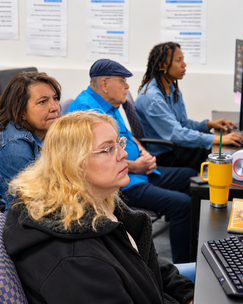
That consistency is important. Members know what to expect when they come in, but they also have choices in how they participate. Over time, those everyday responsibilities can help rebuild confidence and remind people that they are capable of more than they may have believed.
When Chandra came back, she became involved in different parts of the Clubhouse. She took on responsibilities, participated in activities, worked alongside staff and other members, and gradually became more comfortable being part of the day again. It wasn’t one specific task that made the difference. It was having a place where she could keep showing up, contributing, and building confidence at her own pace.
From the Clubhouse to a paycheck
Transitional Employment (TE), gives members a chance to take what they’ve been building at the Clubhouse and try it in a real paid job. These are part-time positions with local employers, and we stay involved throughout the placement. We help prepare and train the member, and if someone can’t make a shift, Connections House makes sure the position is covered. That support gives members room to build confidence without feeling like they have to figure everything out on their own.
For Chandra, that next step was a placement at one of Mental Health Connections’ Peer Connections Centers, where she worked three days a week for about nine months. We were also able to support some of the practical things that can make starting a job difficult. Our scholarship fund helped with interview clothes, and Connections Transit Support helped with transportation and access to a discounted transit pass.
While she was working, Chandra also enrolled in SPIRIT, the same peer support training program I completed. She told us that she was drawn to the opportunity because it gave her a path toward long-term employment and a chance to give back to the same kind of community that had supported her.
If your business is interested in learning more about becoming a Transitional Employment partner, I’d be happy to talk with you about what that could look like. You can reach me at samantha@connectionshouseca.org.
And whether you’re an employer, a community partner, or simply someone who wants to better understand the Clubhouse model, I hope you’ll come visit Connections House and see it for yourself. Sometimes you really have to experience it to understand it. Members and staff working side by side, contributing, learning, and supporting one another. That’s what the Clubhouse model is all about.
What comes next
Chandra graduated from SPIRIT in 2026, and I’m incredibly proud of how far she has come. She now has paid work experience, peer support training, and a much stronger sense of what she wants next. As she looks for a permanent position, our team will continue to support her along the way. As Chandra said, “What the Clubhouse means to me isn’t just help, or a place to come to, it’s hope and the chance to find myself.”
Chandra’s story is also a good example of what Transitional Employment can make possible. TE gives members a supported way to return to work, build experience, and regain confidence in a real job setting. As we continue growing the program, we’re looking to build more partnerships with local employers who are willing to give members that same opportunity. Connections House helps with preparation, training, ongoing support, and shift coverage so employers are not doing it alone.